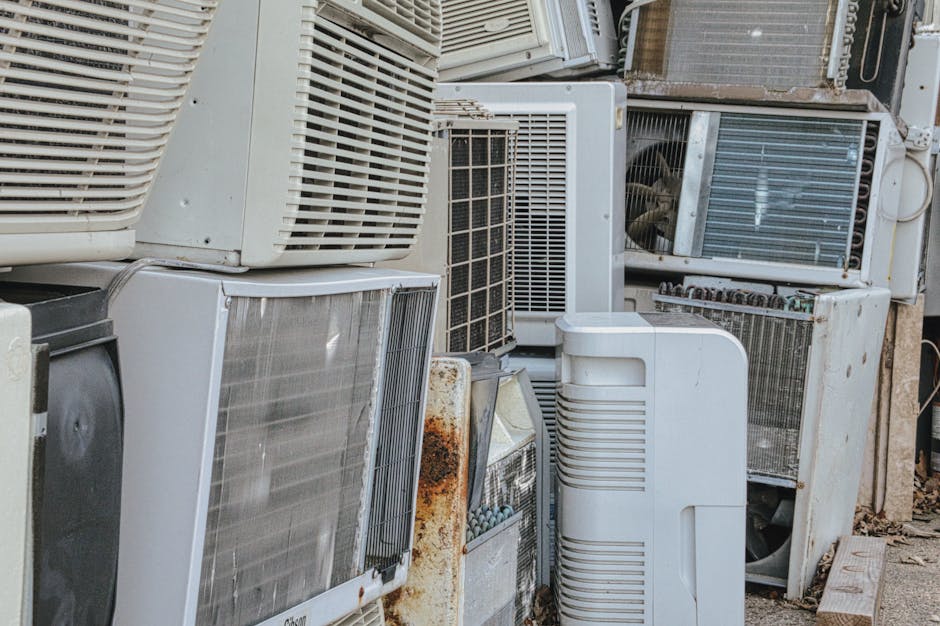
Broken whitegoods disposal options in Ruislip
If you've got a broken fridge, freezer, washing machine, tumble dryer, dishwasher, or cooker sitting in the kitchen or garage, you'll know the feeling: it's bulky, awkward, and somehow always in the way. The good news is that broken whitegoods disposal options in Ruislip are more flexible than many people think. You do not need to guess your way through it, and you certainly do not need to drag a heavy appliance to the kerb and hope for the best.
This guide walks through the practical options, what usually makes sense in different situations, and the small details that can save you time, hassle, and avoidable risk. We'll also cover local decision-making points, responsible disposal, and how to choose a method that works for your home, your schedule, and the type of appliance you're dealing with. Truth be told, the tricky part is rarely the lifting. It's knowing the right route.
For readers who want a cleaner, more efficient disposal process, it can also help to understand the wider service standards behind a professional collection. You can learn more about that through the company's recycling and sustainability approach, or if you're ready to plan a collection, head straight to contact us.
Table of Contents
- Why Broken whitegoods disposal options in Ruislip Matters
- How Broken whitegoods disposal options in Ruislip Works
- Key Benefits and Practical Advantages
- Who This Is For and When It Makes Sense
- Step-by-Step Guidance
- Expert Tips for Better Results
- Common Mistakes to Avoid
- Tools, Resources and Recommendations
- Law, Compliance, Standards, or Best Practice
- Options, Methods, or Comparison Table
- Case Study or Real-World Example
- Practical Checklist
- Conclusion
- Frequently Asked Questions
Why Broken whitegoods disposal options in Ruislip Matters
Broken white goods are not just "big rubbish". They're awkward appliances with metals, plastics, wiring, insulation, refrigerants, oils, and sometimes sharp internal parts. That mix matters because the way they're handled affects safety, recycling potential, and how quickly you can clear space in your home.
In a busy household, a dead appliance can turn into an everyday nuisance fast. A fridge that no longer cools can smell unpleasant after a day or two. A washer with a failed motor can become a damp corner magnet. A smashed door seal, a leaking hose, or a cooker with exposed edges can create more than a mess. It can create a hazard. And let's face it, nobody wants to keep sidestepping a broken appliance every time they make tea.
There's also the bigger picture. White goods contain components that should ideally be separated and recovered rather than dumped carelessly. Responsible disposal helps reduce waste and keeps potentially harmful materials out of the wrong stream. If sustainability matters to you, that's usually the deciding factor, even before convenience comes into it.
For local residents, the main question is usually not "Can I get rid of it?" but "What's the most sensible way to do it, given the size, condition, and timing?" That's where understanding the options becomes genuinely useful.
How Broken whitegoods disposal options in Ruislip Works
In plain English, white goods disposal usually follows one of a few routes: council-style household waste arrangements, a professional collection, a retailer take-back service when replacing an item, or a recycling/reuse route if the item still has some life left in it. The right choice depends on what the appliance is, whether it's safe to move, and whether it can be reused or should go straight to recycling.
Most broken appliances are assessed on three simple questions:
- Is it safe to move?
- Is it still usable, repairable, or recyclable?
- How quickly do you need it gone?
If the answer to the first question is "not really", that changes everything. A fridge freezer with a damaged back panel or a washing machine with a loose drum is more than just heavy; it can be awkward and potentially unsafe to shift without the right handling. That's where a managed collection becomes more appealing.
If the appliance is relatively intact, some people explore repair or donation before disposal. That can be a smart move, but only if the appliance is genuinely worth repairing and safe enough to test. A machine that's old, power-hungry, or repeatedly failing may be better recycled. In real life, people often know this in their gut before they've even finished opening the cupboard under the sink.
Where recycling is involved, appliances are typically collected, transported, and sorted so recoverable materials can be processed appropriately. The exact handling depends on the item and the service used, so it helps to ask how the collection is managed. A trustworthy provider should be clear about what happens next and how the item is treated.
If you want a service that explains this side of the process clearly, their about us page and health and safety policy can be useful places to start. They help set expectations before anything is booked.
Key Benefits and Practical Advantages
Choosing the right disposal option for broken white goods is not just about getting rid of clutter. It can make the whole process calmer, safer, and more cost-effective than people expect.
- Less physical strain: Heavy appliances are awkward. Moving them without the right help is how backs get tweaked and door frames get scuffed.
- Cleaner spaces: A broken fridge in a hallway or a dead washer in a utility room can make the whole place feel cramped. Remove one bulky item and suddenly the room breathes again.
- Better recycling outcomes: Responsible handling means more of the appliance can be recovered rather than wasted.
- Reduced risk: Old electrics, sharp edges, and trapped water can all create avoidable hazards if the item is shifted badly.
- Less admin stress: A straightforward collection is often simpler than arranging a hire vehicle, finding help, and loading a heavy item yourself.
There's a quieter benefit too: peace of mind. Once the broken appliance is gone, you're not thinking about it every time you pass the room. That sounds small, but it matters. Household clutter has a funny way of becoming background stress.
From a practical point of view, a good disposal route also saves multiple trips. One collection often beats an afternoon of "I'll deal with it later" followed by a last-minute scramble. Been there, as they say.
Who This Is For and When It Makes Sense
This topic is relevant to a lot of people, not just homeowners with a failed fridge. If you're in Ruislip and facing any of the situations below, it's worth considering your disposal options sooner rather than later.
- Homeowners replacing a broken washing machine, oven, or freezer.
- Landlords clearing a property between tenancies.
- Letting agents needing a quick, tidy clearance after a move-out.
- Families with an appliance that has finally given up after years of use.
- Older residents who do not want the strain or risk of moving heavy items.
- Busy professionals who need the job handled without taking a day off.
It also makes sense when the appliance is simply too awkward for a standard rubbish run. A single fridge freezer can dominate a car boot plan. Two appliances? Forget it. You'll spend longer working out the logistics than actually getting rid of them.
And if the item is leaking, smelling, or presenting a safety issue, the need becomes more immediate. In those cases, the best option is usually the one that removes the risk first and leaves the rest to a proper recycling route.
Step-by-Step Guidance
If you want to handle broken whitegoods disposal sensibly, a simple sequence usually works best. Keep it calm. No heroics needed.
- Identify the appliance. Note the size, type, and condition. A washing machine with a seized drum is different from a compact under-counter fridge.
- Check whether it is safe to unplug and move. If there's obvious damage, exposed wiring, leaking water, or a smell of burning, stop and get proper help.
- Decide if repair is realistic. If the fix costs too much or the appliance is already very old, disposal may be the smarter route.
- Clear a path. Move loose items, open doors, and make sure stairs, hallways, and thresholds are navigable.
- Measure access points. Check door widths, tight turns, and any low ceilings. It sounds tedious, but it saves stress on the day.
- Choose the disposal route. Compare the practical options: collection, retailer take-back, donation if appropriate, or recycling-based removal.
- Ask how the item will be handled. If you care about recycling, ask about recovery and responsible disposal.
- Book a convenient time. A tidy collection window can make all the difference, especially if the appliance is in a kitchen being used every day.
A small tip from experience: take a quick photo of the appliance before collection. It helps if you need to explain access, dimensions, or condition. Nothing fancy. Just a phone snap. Surprisingly useful.
Expert Tips for Better Results
There are a few small habits that make broken appliance disposal much easier, and they're the sort of things people only really learn after one or two awkward attempts.
1. Separate the "broken" from the "unsafe"
A broken appliance is not always dangerous. But if it's leaking, sparking, shattered, or unstable, treat it differently. Don't assume all white goods can be handled the same way.
2. Defrost fridges and freezers ahead of time
If you're disposing of a fridge or freezer, allow time for defrosting where needed. This prevents drips, pooled water, and the unmistakable smell of a forgotten tea towel getting damp in the corner. Not glamorous. Still important.
3. Keep manuals or model numbers if you have them
Model details can help assess whether a repair is worthwhile or whether parts are likely available. Even if you don't use that information, it can be handy for the collection provider.
4. Be honest about access
If there's a narrow side passage, a flight of stairs, or a tricky basement, say so upfront. That usually leads to a smoother job and fewer surprises on arrival.
5. Think in terms of total effort, not just money
The cheapest option on paper is not always the easiest in practice. If you need to hire a van, enlist help, and spend half a Saturday moving heavy metal around, the "cheap" option starts to look less appealing.
If you're trying to understand service quality as well as convenience, it can also help to look at the company's insurance and safety information. That kind of detail matters more than people realise, especially with heavy appliances.
Common Mistakes to Avoid
This is where a lot of avoidable trouble starts. The mistakes are usually simple, but they can turn a routine disposal into a messy afternoon.
- Leaving the appliance outside too early. Rain, theft, and fly-tipping risk all become more likely.
- Trying to move a heavy item alone. One slip on a doorstep is enough to ruin the day.
- Assuming every disposal route is the same. It isn't. Recycling, reuse, and waste handling all have different expectations.
- Forgetting to empty the appliance. Sounds obvious. People still do it.
- Not checking if the item contains water or ice. A washing machine or freezer can surprise you with a soggy floor if you don't prepare properly.
- Ignoring access issues. Tight stairwells, low ceilings, and awkward corners are where most delays happen.
- Choosing a service without understanding what is included. Make sure you know whether lifting, loading, and removal are all part of the job.
A little planning avoids most of this. Not glamorous planning, just the kind you do once and then forget about. That's usually the sweet spot.
Tools, Resources and Recommendations
You do not need specialist equipment for every disposal job, but a few simple tools can make a big difference if you're preparing an appliance for collection.
- Workbench gloves or grip gloves: Useful for handling sharp edges or dirty surfaces.
- Towel or absorbent cloths: Handy for dripping water from defrosted fridges or drained washing machines.
- Measuring tape: Essential for checking doors, hallways, and stair turns.
- Phone camera: Great for documenting the appliance's size and access route.
- Basic cleaning spray: Helpful if the item has been sitting unused for a while.
For people comparing providers, these company pages can also help you judge whether the service feels transparent and dependable:
- pricing and quotes for a clearer view of what to expect
- recycling and sustainability if environmental handling matters to you
- terms and conditions for the practical details behind the booking
Those pages are not just formalities. They can help you avoid vague promises and understand exactly how the process works. A little dull, perhaps, but incredibly useful.
Law, Compliance, Standards, or Best Practice
When disposing of white goods in the UK, the safest approach is to follow recognised household waste and recycling practices and to avoid leaving appliances in ways that could cause an obstruction, a hazard, or uncontrolled dumping. If you're using a professional collection, you want reassurance that the item is being handled responsibly and not just passed along carelessly.
For most readers, the main compliance points are practical rather than technical:
- Keep appliances out of public walkways until collection.
- Do not attempt dangerous dismantling unless you know what you're doing.
- Make sure any power is disconnected safely before movement.
- Check that the provider has clear handling, insurance, and safety processes.
- Use a route that supports recycling or proper waste treatment rather than informal dumping.
If the item is a fridge or freezer, there may be additional handling considerations because of the materials involved. That is one reason many people prefer a trained collection rather than trying to improvise. The goal is not to be over-cautious. It's to be sensible.
When you are comparing services, it's reasonable to review a provider's complaints procedure and payment and security information too. Those details can tell you a lot about how the business operates, especially if you value clarity and accountability.
Options, Methods, or Comparison Table
There is no single best method for every broken appliance. The right choice depends on condition, urgency, access, and whether you want the item recycled, reused, or simply removed with minimal fuss.
| Option | Best for | Pros | Watch out for |
|---|---|---|---|
| DIY disposal | Very small, manageable items or situations with easy access | Can appear low-cost if you already have transport | Heavy lifting, vehicle space, time, and handling risk |
| Retailer take-back | Replacing an old appliance at the same time | Convenient if offered as part of the new purchase | May depend on the seller's terms and the timing of delivery |
| Reuse or donation | Appliances that still work and are safe to use | Extends product life and reduces waste | Not suitable for broken, unreliable, or unsafe items |
| Professional collection | Bulky, damaged, awkward, or urgent removals | Less lifting, clearer process, usually the easiest option | Check exactly what is included before booking |
In practice, professional collection is often the most balanced choice for broken white goods in a domestic setting. It is especially useful if the appliance is in a tight kitchen, up a flight of stairs, or simply too awkward for a casual weekend move. The "I'll do it myself later" plan has a habit of stretching on, doesn't it?
Case Study or Real-World Example
Picture a typical Ruislip household on a Friday evening. The washing machine has stopped mid-cycle, there's water in the drum, and the laundry room smells faintly of damp towels. The family needs the appliance out before the weekend because a replacement is arriving on Monday morning.
At first, the instinct is to drag it into the hall and deal with it later. But the hall is narrow, the machine is heavier than expected, and the doorstep has a slight lip that makes the angle awkward. After a few minutes of trying to shift it, the better choice becomes obvious: stop, clear the area, and book a proper removal.
Once the collection is arranged, the machine is drained, the path is measured, and the floor is protected. The appliance is removed without the usual tug-of-war, and the family can focus on the replacement rather than wrestling with the old one. Simple outcome. Much less drama.
That kind of real-world decision is what makes the difference between a stressful disposal and a calm one. Not every job needs heavy planning, but a bit of thought at the start saves a lot of tired shoulders later.
Practical Checklist
Use this checklist before arranging broken whitegoods disposal in Ruislip:
- Identify the appliance type and approximate size.
- Check for leaks, sharp edges, exposed wiring, or unusual smells.
- Decide whether repair is realistic or whether disposal is the better option.
- Measure doorways, stairwells, and any tight turns.
- Clear the route from the appliance to the exit.
- Defrost or drain the appliance if needed.
- Take a quick photo for reference.
- Ask how the item will be collected and handled.
- Confirm whether loading, lifting, and recycling are included.
- Review the provider's trust pages if you want extra reassurance.
A checklist like this may look basic, but it prevents most of the common headaches. That's the thing with bulky appliance disposal: the right prep turns a complicated day into a straightforward one.
Conclusion
Broken whitegoods disposal options in Ruislip are best understood as a practical choice between convenience, safety, and responsible handling. If the appliance is awkward, heavy, leaking, or simply no longer worth repairing, a managed collection is often the cleanest solution. If it still has life left in it, reuse or repair may be worth considering first. Either way, the key is to match the method to the appliance rather than forcing a one-size-fits-all approach.
In the end, the most useful disposal plan is the one that clears the space, avoids stress, and leaves you feeling properly sorted rather than half-finished. That little sense of relief when the appliance is finally gone? Hard to beat.
If you are comparing your options and want a straightforward next step, explore the company's service information or get in touch directly through the contact page.
Get a free quote today and see how much you can save.
Frequently Asked Questions
What is the best way to dispose of a broken fridge or freezer in Ruislip?
The best option is usually a proper collection service that can remove it safely and route it for responsible recycling. Fridges and freezers are bulky and often awkward to move, so it is worth avoiding improvised lifting unless access is very easy and the item is fully safe to handle.
Can I leave broken white goods on the pavement for collection?
Usually, no. Leaving items outside without arrangement can create an obstruction and may increase the risk of fly-tipping or damage. It is better to arrange a collection time and keep the appliance protected until it is removed.
Are broken washing machines worth repairing before disposal?
Sometimes, yes, but not always. If the machine is older, unreliable, or expensive to fix, disposal may make more sense. A quick assessment of the fault, age, and condition usually gives a clearer answer than guessing.
Do I need to empty a washing machine or dishwasher before collection?
Yes, as much as possible. Remove laundry, dishes, standing water, and any loose accessories. It makes the item safer to move and helps prevent mess in the property.
How do I know whether my white goods can be recycled?
Most white goods have recyclable components, but the process depends on the appliance and the collection route. A responsible provider should be able to explain how the item is handled and whether materials are recovered.
What should I do if my appliance is leaking or smells bad?
Stop using it if it seems unsafe, disconnect it if you can do so safely, and arrange removal promptly. A leak or strong smell is often a sign that the item needs quicker attention rather than later.
Is it cheaper to use a local collection service or hire a van myself?
It depends on the size of the appliance, access, and how much work you want to do yourself. A van hire may look cheaper on paper, but once you add lifting, loading, fuel, and time, a collection service can be the better value.
Can I include multiple broken appliances in one collection?
Often, yes. That is one reason people choose a collection service when clearing a kitchen, utility room, or rental property. It saves repeated lifting and can be much easier than booking separate removals.
What if the appliance is too heavy to move safely?
Then do not force it. Heavy appliances can cause injury or damage if moved badly. A professional collection is usually the sensible next step, especially where stairs, narrow halls, or old flooring are involved.
How far in advance should I arrange disposal?
If you are replacing the appliance, arrange disposal before the new one arrives if possible. That keeps the space clear and avoids a rushed handover. If the item is leaking or unsafe, do it sooner rather than later.
What should I check before booking a collection?
Check what is included, how the item will be handled, whether access needs to be confirmed, and whether there are any terms around lifting, waiting, or payment. It also helps to review the provider's service pages so you know who you're dealing with.
Where can I find more information about service standards and support?
The most useful pages are usually the company's about us, health and safety policy, and recycling and sustainability pages. They help you judge whether the service aligns with your priorities before you book.