Office Clearance in Ruislip

Office clearance in Ruislip should be straightforward, organised and suited to the way your premises actually operate. We clear desks, chairs, filing cabinets, storage units, mixed office furniture and everyday contents from workplaces that are being reconfigured, vacated or reduced in size. The service is arranged to keep the process practical from the first discussion through to the final load, with attention paid to access, separation of reusable items and the different handling needs of office materials.
Commercial spaces often contain more than one type of item, so a sensible clearance plan has to deal with furniture, paper records, electrical equipment and general waste in a way that keeps the process controlled. We work around the layout of the property and the items listed for removal, with clear steps for what should stay, what should go and what needs careful handling. If you are comparing options, a simple check of scope and timing is usually the best place to begin.
When you are ready to move things forward, start by outlining the rooms involved and the main categories of items. A brief message is enough for an initial assessment, and you can always add more detail later if needed. Tell us what needs clearing and we can shape the work around the actual premises rather than forcing it into a one-size-fits-all approach. Request a quotation when you are ready to share the basics.
Office clearance services for workplaces of different sizes
Our office clearance work covers single rooms, shared offices, suites and larger commercial premises. The service can include dismantling or removing freestanding office furniture, loading bagged contents, separating items for recycling where appropriate and removing general non-hazardous office waste. This is useful where a business is relocating, refreshing its layout or emptying space after lease changes, because the same method rarely suits every building or floor plan.
Clearance planning is more effective when the item list is specific. For example, a room full of desks and pedestals presents a different task from a storage area packed with archive boxes or an open-plan floor with mixed seating, screens and accessories. We can work from a simple inventory, room list or photographs, and it helps to flag any bulky pieces or restricted access in advance. That keeps the visit focused and reduces avoidable delays.
Workstation, furniture and fixture removal
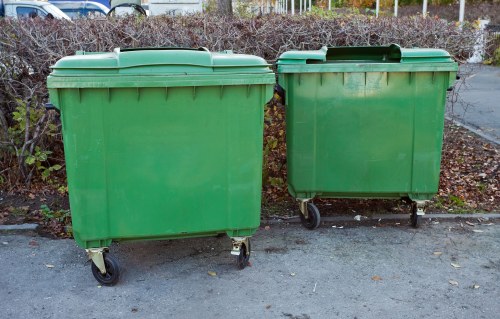
Workstation clearance is often the core of an office job, and it benefits from steady handling rather than rushed lifting. Desks, task chairs, lockable cabinets, shelving, meeting tables and reception furniture all need different care depending on their size, weight and condition. Where items are being moved out of a building with narrow corridors, lifts or shared entrances, we plan the removal in a way that is practical for both the property and the people using it.
Some businesses only need a few surplus items taken away, while others are clearing a whole suite. A good service should adapt to either situation without making you over-prepare. We can remove a single heavy cabinet, several floors' worth of furniture, or a mixed load where some pieces are suitable for reuse and others are only fit for disposal. The aim is to make the site easier to hand over, re-let or reconfigure.
If you are deciding what to keep, it often helps to sort items into clear groups before the collection is arranged. Reusable office furniture, obsolete equipment and general waste can be identified separately, which makes the remaining work easier to plan. For larger clearances, a short list is usually enough; for smaller offices, even a few notes can provide a useful starting point.
Handling contents, paperwork and office equipment
Office clearance is not just about furniture. Many properties contain boxed paperwork, old stationery, peripherals, filing systems and smaller items stored in cupboards or under desks. Those contents can build up quietly over time, so a structured clearance helps bring order to rooms that have become difficult to use. We treat each category sensibly, keeping the job focused on removal rather than disruption.
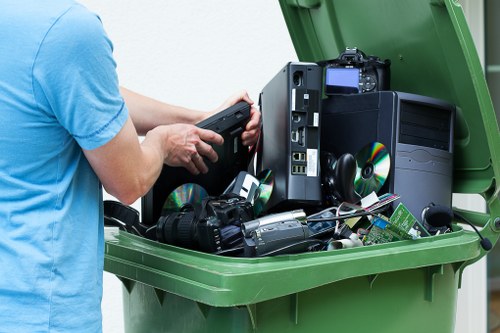
There is often a difference between items that are simply no longer needed and items that need a more careful route out of the building. Electrical equipment, for example, may be mixed in with normal office contents, but it should not be treated as ordinary rubbish. Likewise, archived files or confidential material need thought before collection, especially if you are sorting through years of accumulated records. Clear instructions at the start make the job much easier to manage.
Useful items to mention in your enquiry include any large cabinets, broken furniture, boxed files, screens, printers and similar equipment. You do not need to write a full inventory before contacting us, but a short description helps with planning. If access is awkward, if the building has timed entry, or if items are spread across several rooms, mention that too so the clearance can be arranged sensibly.
Practical clearance planning and access
Commercial premises often have constraints that affect how a clearance is carried out. Loading routes, parking arrangements, building rules, lift access and shared spaces can all shape the order in which items are removed. A practical clearance service takes those matters into account rather than treating the premises as a blank space. That is especially important where the office is in a managed block, a high street building or a property with limited access windows.
To keep things efficient, it helps to identify the rooms involved and point out anything that should not be moved. That might include items already claimed by staff, fixtures that belong to the landlord or materials that need to remain in place for another contractor. If you have a preferred collection window, mention it early so the work can be planned around your operational needs. Good preparation is mostly about clarity, not complexity.
What affects the quotation
A quotation for office clearance usually depends on the volume of items, the types of materials involved, how easy the property is to access and whether there are any awkward removals within the building. A job that includes only lightweight contents is not the same as one that involves bulky cabinets, stacked furniture or multiple areas with restricted access. This is why a description of the site and contents is more useful than a simple size estimate alone.
Timing can also affect planning, particularly where the premises are busy or where the clearance has to happen outside normal operating hours. If the office is being emptied in stages, it may be sensible to split the work across more than one visit. That is not always necessary, but it can be the cleaner option when different parts of the building are being cleared for different reasons. Tell us the practical details first, and the service can be matched to them.
Where possible, group similar items together before the collection day. That does not mean spending hours organising everything, only making the clearance easier to understand at a glance. A few photographs or a short room-by-room note can be enough to show the scale and variety of the work. Once the scope is clear, a quote can be prepared on a more realistic basis.
Furniture disposal and recycling-minded removal
Not every office item should be handled in the same way. Some pieces may be suitable for direct disposal, while others may be better routed through recycling or other responsible processing if their condition allows it. Our furniture disposal service is designed to keep that distinction in mind, especially when office clearances include wooden desks, metal storage, mixed office seating or items made from several materials.
Working carefully through the contents of a workplace can reduce unnecessary handling and make the clearance more organised. It can also help with premises that are being returned to a landlord, repurposed for another tenant or stripped back ready for refurbishment. The useful decision is not simply what must leave the property, but how the various items should be grouped so the right route can be followed.
When there are mixed loads, it is normal to have some pieces that are still serviceable and others that are not. That is why a sensible clearance plan considers condition as well as size. Furniture disposal can sit alongside wider office clearance work, but the aim should always be to keep the process tidy, lawful and suited to the actual items on site.
Office waste, mixed contents and end-of-tenancy clearance
Many office clearances are really mixed removal jobs, combining furniture, general waste, packaging, storage items and leftover contents from a tenancy or refurbishment. In those cases, the most useful approach is one that keeps the clearance broad enough to be practical without becoming vague. We can remove office waste alongside the larger items that are taking up space, so the premises are left more manageable at the end of the visit.
If a business is leaving a unit, clearing a floor or resetting a workspace for new occupants, the main priority is usually to remove the contents in a controlled sequence. That can involve taking out loose materials first, then furniture, then any remaining bulky items or items stored in side rooms. A systematic approach makes it easier to check that nothing has been overlooked. It also helps when several people have used the space and belongings are spread across different areas.
About Ruislip
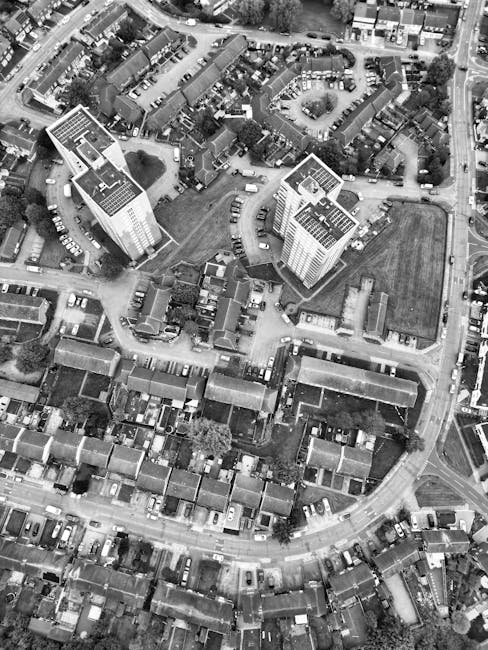
Ruislip is a historic settlement in the London Borough of Hillingdon, in the far west of Greater London. The area grew from a rural parish with Saxon roots into a suburban district shaped by rail links, civic development and the wider spread of London during the twentieth century. Ruislip Lido, originally created as a reservoir in the nineteenth century, is one of the most recognisable landmarks in the district, with woodland walks and open water giving the area a distinctly green character. Nearby, Ruislip Woods forms one of the most significant ancient woodland sites in London and includes a mixture of oak, hornbeam and birch habitats. The village centre around Ruislip High Street has retained a more traditional layout than many outer-London centres, with historic buildings, local shops and community landmarks close together. St Martin’s Church, whose origins go back many centuries, stands as a reminder of the area’s long continuity, while later development brought more suburban streets, schools and transport connections. The Metropolitan and Piccadilly line stations helped shape everyday movement across the district, linking the older village core with newer residential areas. Taken together, these features give Ruislip a layered identity: part historic village, part outer-London suburb, and part green-edge neighbourhood with strong connections to open space and established local streets.
Office clearance for changing workplaces

Workplaces change for many reasons: an office may be downsized, refurbished, merged with another team or prepared for surrender at the end of a lease. In each case, the clearance needs to do more than simply remove objects. It has to leave the room usable for what happens next. That may mean clearing circulation space, removing redundant storage or emptying entire areas while leaving fixed fixtures untouched.
We can also remove items that have accumulated over time in communal areas, back rooms and storage corners. These often include unused chairs, spare tables, packaging, broken accessories and other pieces that no longer serve a purpose. A sensible clearance turns that clutter into a manageable task, making it easier to hand the property over or reorganise it for the next stage of use.
For businesses comparing options, it is worth focusing on the exact outcome needed. Pricing and quotes matter, of course, but so does the overall shape of the job: what stays, what leaves and whether the clearance is a single visit or a phased process. A clear conversation about those points usually leads to a more useful proposal.
Business waste removal alongside office clearance
Some clearances are best supported by a broader waste removal service, particularly where the premises contain mixed items that do not fit neatly into one category. Business waste removal can complement office clearance when there are bagged contents, leftover stock, packaging or general non-hazardous waste that needs to leave at the same time as the furniture. This helps avoid splitting a straightforward job into several separate arrangements.
It is sensible to keep business waste and office furniture distinct in planning, even when they are removed together. That way, the quote reflects the real mixture on site and the removal sequence can be organised properly. A room with mostly documents and light contents is handled differently from a room with several large desks, machines and cabinets. The more accurately the materials are described, the better the plan will fit the property.
If you need a wider commercial tidy-up, the clearance can be shaped around that purpose rather than around one single item type. Business waste removal is useful where the office has become a holding area for mixed non-household material and you want one practical removal plan rather than several disconnected jobs.
Making the enquiry simple

To arrange the work efficiently, keep your initial notes focused on the rooms involved, the main types of items and any access points we should know about. It also helps to say whether the premises are occupied, partly empty or being handed back. That gives a clearer picture of how the clearance should be staged and whether the removal needs to fit around staff, contractors or building management.
There is no need to overcomplicate the first message. A brief outline is often enough to begin, and a more detailed list can follow if the job turns out to be larger than expected. If you already know there are bulky items, mixed materials or restricted access, mention them straight away so the arrangement is based on the real work, not an assumption. Keep it clear, keep it brief, and we can build from there.
When you are ready to take the next step, send the details through and ask for a quotation. Contact us for a quotation and we can look at the clearance in a practical way, with the scope shaped to the office, the contents and the building rather than to a generic checklist.