Ruislip Lido: local rubbish removal guide
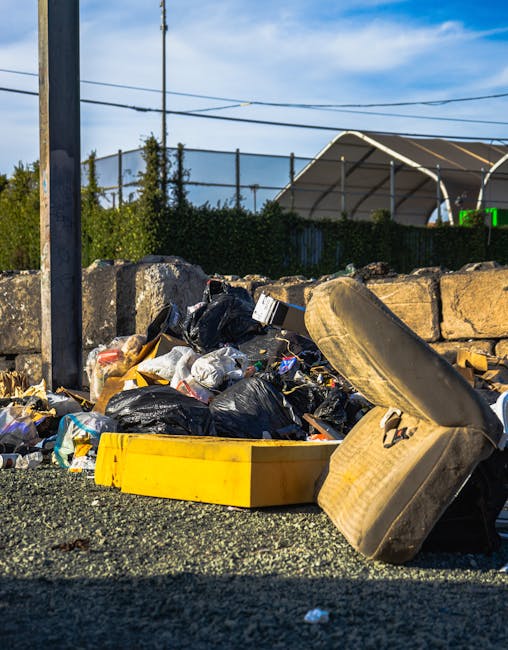
Ruislip Lido is one of those places that pulls in a bit of everything: walkers, families, dog owners, day-trippers, cafe visitors, and people who simply want an easy outdoors escape without leaving West London. That also means rubbish builds up in a very ordinary, very human way. Picnic leftovers, broken household items, bagged garden waste, end-of-tenancy clutter, and the odd awkward item that will not fit in a car all create the same problem: what is the cleanest, safest, and most practical way to deal with it?
This Ruislip Lido: local rubbish removal guide is designed to help you make that decision without guesswork. Whether you are clearing a home near the lake, dealing with bulky waste after a move, or tidying up a garage, loft, flat, or garden, the right approach saves time, reduces stress, and helps you avoid preventable mistakes. You will find practical steps, common pitfalls, a comparison of disposal methods, and helpful pointers for choosing a reliable service.
If you need a wider service overview while planning your clearance, it can also help to look at local waste removal services in Ruislip, or a more specific option such as house clearance support when a property needs a fuller reset. For larger mixed loads, furniture disposal and garden clearance are often the most efficient routes.
Expert summary: The best rubbish removal plan is the one that matches the waste type, the access at your property, and how quickly you need the space cleared. Small loads can be simple; bulky or mixed waste usually benefits from a professional collection.
Table of Contents
- Why this guide matters
- How rubbish removal around Ruislip Lido works
- Key benefits and practical advantages
- Who this is for and when it makes sense
- Step-by-step guidance
- Expert tips for better results
- Common mistakes to avoid
- Tools, resources and recommendations
- Law, compliance, standards and best practice
- Options, methods and comparison table
- Case study or real-world example
- Practical checklist
- Conclusion
- Frequently asked questions
Why Ruislip Lido: local rubbish removal guide Matters
Ruislip Lido is a busy local destination, and that matters because waste problems tend to appear where people are active. A picnic area after a sunny weekend, a garden after a big cut-back, or a home that has accumulated years of storage clutter all creates the same basic challenge: waste needs to be removed quickly, sensibly, and in a way that keeps the area tidy for everyone else.
For residents nearby, the practical side is even more obvious. Bulky rubbish is awkward to store, heavy to move, and sometimes impossible to dispose of neatly without a van or a helping hand. That is why local rubbish removal is not just about convenience; it is also about access, timing, safety, and avoiding repeated trips to a disposal site with materials you do not really want in the back of your car.
There is also a broader quality-of-life issue. Leftover waste can block hallways, clutter driveways, attract vermin, or make outdoor areas harder to enjoy. In shared buildings, that clutter can quickly become a neighbour issue. In homes near green spaces, it can become a practical one: the longer items sit around, the more likely they are to weather, leak, attract mould, or become harder to sort.
If you are planning a bigger project, such as a full property reset, the structure of the job matters. A simple one-off rubbish load may be manageable on your own, but a mixed clearance often works better when it is broken into categories: furniture, general household waste, garden materials, and any specialist items. This is where a service such as flat clearance can be useful for smaller homes, while loft clearance suits attic storage that has quietly turned into a long-term overflow zone.
How Ruislip Lido: local rubbish removal guide Works
At a practical level, rubbish removal near Ruislip Lido usually follows a simple pattern: identify what you have, decide what must go, separate anything recyclable or reusable, then choose the right disposal route. The detail matters because different waste types behave differently. Clean cardboard is one thing. Broken furniture, old paint tins, soil, branches, and mixed renovation debris are something else entirely.
Most local removal jobs begin with a visual assessment. If you are using a professional service, that assessment may happen over the phone, by photos, or during a site visit. The key questions are straightforward:
- How much waste is there?
- What type of waste is it?
- How easy is access to the property?
- Are there stairs, narrow paths, or parking limits?
- Do you need same-day collection or can it wait?
Those answers influence the vehicle size, labour required, and overall approach. For example, a few pieces of furniture may need little more than a careful uplift, while builder's rubble from a small renovation might require a different handling method entirely. For mixed project waste, builders waste clearance is often more appropriate than a general household collection.
In many cases, the easiest process looks like this:
- Sort items into keep, donate, recycle, and remove.
- Identify anything hazardous or specialist.
- Measure large items so you know access is realistic.
- Take photos if you are requesting a quote.
- Book the pickup at a time that suits your access and neighbours.
- Prepare walkways, gates, lifts, or parking areas if needed.
That may sound basic, but a lot of avoidable stress disappears once the waste is organised. Truth be told, rubbish removal gets a lot easier when you stop treating it as one huge pile.
Key Benefits and Practical Advantages
Good rubbish removal is not just about making the mess disappear. The real advantages are more practical than that.
- Less physical strain: Heavy lifting, awkward angles, and repeated carrying are all reduced when the right help and equipment are used.
- Faster turnaround: A well-planned clearance can free up a room, garden, or garage much faster than a DIY approach.
- Better sorting: Reusable, recyclable, and waste materials can be separated more effectively when someone knows what they are looking at.
- Cleaner finish: A proper clearance usually leaves the space more usable, rather than simply "less cluttered."
- Fewer disposal errors: You are less likely to mix up recyclable items, contaminated waste, or items needing special handling.
For householders, the biggest benefit is often emotional as much as practical. A cleared garage, hallway, or spare room changes how a property feels. For businesses, the benefit is operational: less obstruction, better presentation, and fewer disruptions. If the waste is linked to an office move, the most relevant route may be office clearance or, for multiple properties and larger cleanouts, a broader business waste removal service.
There is another advantage that is easy to overlook: planning. When waste is removed properly, it forces a useful decision point. What should be kept? What is fit for reuse? What is simply dead weight? That reset can be surprisingly valuable, especially after a move, refurbishment, bereavement clearance, or long-overdue declutter.
Who This Is For and When It Makes Sense
This guide is useful for a wide range of people, because rubbish removal around Ruislip Lido is rarely just about one category of waste. It often sits at the crossroads of lifestyle, property size, and timing.
You will likely find it relevant if you are:
- moving house or flat and need to clear bulky items
- tidying a garage, loft, shed, or spare room
- upgrading furniture and want old pieces taken away
- clearing garden waste after pruning, landscaping, or storm damage
- managing waste after decorating or light building work
- helping a relative clear a property with accumulated belongings
- running a local business and need occasional waste collection
It also makes sense when the job is bigger than your available time or transport. A weekend can disappear quickly when you are trying to dismantle a wardrobe, bag up waste, and figure out where everything should go. If the item is heavy, bulky, or awkward, the effort is often not worth it on your own.
For example, a family replacing garden furniture might only need a simple collection. A landlord clearing a rental property after tenants leave may need a fuller service, including white goods and mixed contents. A homeowner finishing a renovation may need a combination of domestic rubbish and construction debris. In those situations, choosing the right clearance type upfront prevents multiple bookings and extra hassle.
Step-by-Step Guidance
Here is the most practical way to handle a rubbish removal job near Ruislip Lido without turning it into a half-finished weekend project.
1. Walk the space first
Start with the whole area, not just the obvious pile. Check corners, under shelves, in cupboards, and behind larger items. You will often discover more waste than you expected, especially in lofts and garages. That is normal. It is also why clearances tend to grow once you begin.
2. Separate the waste into sensible groups
Do not overcomplicate this, but do sort it. A useful split is:
- general household rubbish
- furniture and bulky items
- garden waste
- DIY or builder's waste
- items that can be donated or reused
- anything potentially hazardous
That basic structure helps you avoid mixing categories that may need different handling. For bulky household waste, furniture clearance is often more efficient than trying to manage everything as general rubbish.
3. Check access, parking, and lifting routes
Waste removal is not only about the waste. It is about the route from where the waste sits to the vehicle. Narrow staircases, soft ground, shared access, or distance from parking can all affect the work. If access is tight, mention it early so the job can be planned properly.
4. Decide what should be reused, recycled, or removed
Not every item belongs in the same pile. Some furniture can be reused. Clean wood, metal, cardboard, and certain garden materials may be recyclable. Mixed loads often need sorting on arrival. If sustainability matters to you, look into a provider's approach to recycling and sustainability before you book.
5. Request a clear quote
Ask what is included. Labour, loading, lifting, disposal, and travel should all be clear. If the waste is in several rooms or includes awkward items, make sure that is reflected in the quote. Pricing should feel understandable, not mysterious.
6. Prepare the area before collection
Move the waste together if you can do so safely. Leave paths clear. Keep pets and children away from working areas. If needed, label any items that are staying behind so nothing is taken accidentally.
7. Confirm what happens after collection
A proper service should be able to explain how the waste is sorted or disposed of. You do not need a lecture, but you do deserve a clear answer. Responsible disposal is part of the job, not an optional extra.
Expert Tips for Better Results
Small details can make a surprisingly large difference to the success of a clearance. These are the habits that tend to make jobs smoother in real life.
- Photograph the waste before booking. This helps avoid misunderstandings and gives a more accurate estimate.
- Keep similar materials together. It is easier to load, sort, and dispose of waste when like items are grouped.
- Leave movable items accessible. A blocked doorway or buried wardrobe can slow everything down.
- Be honest about difficult items. Old appliances, broken glass, damp waste, or heavy fixtures should never be described vaguely.
- Plan around busy local times. Around attractions and residential roads, access and parking can be easier at certain times of day.
If you are dealing with a broader clearance, such as a full property emptying, it is worth considering home clearance or house clearance rather than booking several smaller collections. One properly planned visit is usually more convenient than three rushed ones.
And a small but useful tip: if an item is "nearly useful" but not quite, decide quickly. Half-kept items are how garages become archaeological sites.
Common Mistakes to Avoid
The most common mistakes are not dramatic. They are usually simple planning errors that create extra work later.
- Mixing everything together: A single mixed pile is harder to manage and can complicate sorting.
- Underestimating volume: Waste always looks smaller before you start moving it.
- Ignoring access: A job can look simple until a staircase, narrow gate, or parking issue appears.
- Leaving booking too late: If you need rubbish gone before a move, sale, tenancy check, or event, last-minute arrangements are risky.
- Forgetting specialist waste: Some items need particular handling and should not be treated like ordinary household rubbish.
- Using the wrong service type: A single item collection is not the same as a full property clearance.
Garden waste is a good example. A few bags of clippings are one thing; a full seasonal cut-back can become a much larger job. That is where a service like garden clearance becomes much more practical than a standard rubbish pickup.
Tools, Resources and Recommendations
You do not need specialist equipment for every job, but a few simple tools make the process safer and less frustrating.
- Heavy-duty bags and boxes: better for small loose waste and sorting items by category
- Gloves: useful for sharp edges, dust, splinters, and unknown items
- Tape measure: helpful for sofas, wardrobes, and access checks
- Label stickers or marker pen: useful when some items are staying and others are going
- Basic tools: for dismantling furniture where safe and appropriate
- Phone camera: ideal for quotes, inventory checks, and before-and-after records
From a service point of view, the most useful resources are the service pages that match your job type. If you are working through different rooms or different waste streams, the following can help you narrow things down: garage clearance for storage spaces, loft clearance for attic spaces, and furniture disposal when the main issue is bulky items that are too large to leave out casually.
For trust and service standards, it is also sensible to check the company's public policy pages. A provider that makes its insurance and safety approach visible is showing that it understands more than just loading a van. Likewise, a clear about us page can be a useful signal when you are comparing who to trust with access to your property.
Law, Compliance, Standards and Best Practice
Waste removal in the UK is not just a practical task; it also carries duties around safe handling and responsible disposal. You do not need to become an expert in waste legislation to get a job done properly, but you should understand the basics.
The simplest rule is this: waste should be passed to someone authorised to handle it, and you should be confident it will be disposed of appropriately. That matters for environmental reasons, but it also matters because householders and businesses both need to avoid careless disposal practices. If you are producing business waste, the expectations are usually stricter than for ordinary domestic rubbish.
Best practice normally includes:
- sorting waste before collection where practical
- keeping hazardous or specialist materials separate
- using a responsible carrier or licensed disposal route
- checking that the provider explains what happens to recyclable material
- keeping any relevant records if the waste is business-related
If you are a business owner or manager, it is worth reviewing business waste removal carefully, rather than assuming a domestic-style solution is enough. For householders, compliance is usually simpler, but the same common-sense principles still apply: choose a reputable service, be clear about the waste, and do not leave specialist items in the wrong pile.
One more point worth noting: health and safety should never be treated as a box-ticking exercise. Heavy lifting, sharp edges, mouldy material, and awkward access are all ordinary risks in real clearances. A provider that documents its health and safety policy is giving you one more reason to feel confident that the job will be handled properly.
Options, Methods, or Comparison Table
There is more than one way to deal with rubbish near Ruislip Lido. The right method depends on time, waste type, access, and whether you want to do the lifting yourself.
| Method | Best for | Advantages | Limitations |
|---|---|---|---|
| DIY trips to disposal facilities | Small loads, simple waste, flexible schedules | Can be economical if you already have transport | Time-consuming, physically demanding, not ideal for bulky items |
| Local council-style collection | Basic household waste and scheduled pickups | Useful for routine needs | May not suit urgent or mixed clearances |
| Professional rubbish removal | Bulky, mixed, heavy, or time-sensitive waste | Fast, convenient, tailored to access and lifting | Usually chosen for convenience, so not always the cheapest headline option |
| Full clearance service | Homes, flats, lofts, garages, or offices with multiple items | Best for larger reset jobs and complete emptying | May be more than you need for a few small bags |
For many readers, the decision comes down to one question: do you want to spend your time transporting waste, or do you want the space back? If the answer is the latter, a professional clearance usually makes the most sense. For a single sofa, maybe not. For an overloaded garage or a whole property, almost certainly.
Case Study or Real-World Example
Consider a typical local scenario. A homeowner near Ruislip Lido has been storing items in a garage for years: old shelving, broken garden furniture, bags of mixed household waste, and a few leftover bits from a DIY project. None of it is especially dramatic on its own. Together, though, it has turned the garage into a space that cannot really be used.
The first step is not "find somewhere to dump it." It is to sort the material into sensible groups. The broken furniture is one pile. The garden waste is another. The DIY debris needs its own assessment. A couple of still-usable items might be set aside for donation or reuse. Once grouped properly, the provider can quote more accurately and arrive with the right crew and vehicle.
That kind of job often goes more smoothly when the homeowner has already checked whether the clearance should include a wider area. In some cases, a garage clearout uncovers loft overflow, spare-room clutter, or a few neglected items indoors. Then the better route may be a broader home clearance rather than a one-room visit. The important lesson is simple: the right scope saves time.
In real life, that is usually how good clearances work. Not perfectly. Just sensibly, with enough planning to avoid surprises and enough flexibility to deal with the bits nobody remembered were there.
Practical Checklist
Use this checklist before you book or carry out rubbish removal near Ruislip Lido:
- Have I identified every item that needs to go?
- Have I separated general waste, furniture, garden waste, and DIY material?
- Are any items hazardous or specialist?
- Do I know whether access is easy enough for lifting and loading?
- Have I measured large items that might need dismantling?
- Do I need a same-day or next-day collection?
- Have I taken photos for a quote?
- Do I know what should be reused, donated, recycled, or removed?
- Have I checked the provider's safety, insurance, and disposal approach?
- Is the service type right for the size of the job?
If you can answer yes to most of those points, you are in good shape. If not, take another look before booking. It is much easier to sort the plan now than to untangle it on collection day.
Conclusion
Rubbish removal near Ruislip Lido is really about making a practical choice that fits your waste, your property, and your timeline. For a few simple items, the answer may be straightforward. For bulky furniture, garden waste, loft clutter, or a full home reset, the right service can save a lot of effort and reduce the risk of mistakes.
The key is to think in categories, plan access early, and choose a service that matches the actual job rather than the ideal version of it. That approach keeps the process calm, efficient, and far less stressful than trying to improvise at the last minute.
If you want help comparing the best clearance option for your property, start with the most relevant service page and work from there. For household projects, house clearance and waste removal are strong starting points, while business premises may be better served by office clearance. A short conversation now can prevent a long day later.
Get a free quote today and see how much you can save.
Frequently Asked Questions
What is the easiest way to arrange rubbish removal near Ruislip Lido?
The easiest approach is usually to sort the waste first, take a few photos, and request a quote for the right service type. That gives you a clearer idea of time, access, and likely vehicle size.
Can I mix furniture, garden waste, and general rubbish in one collection?
Often yes, but it depends on the provider and the exact mix of materials. A mixed load is common, although separating categories beforehand usually helps with pricing and handling.
Is professional rubbish removal better than doing it myself?
For small, light loads, DIY can be fine. For bulky, heavy, or time-sensitive waste, a professional service is usually more efficient and less physically demanding.
What should I do with items that could be reused?
Set them aside before collection. Reusable furniture, household items, or equipment may be worth donating or passing on rather than sending straight to disposal.
Do I need a different service for loft or garage clutter?
Yes, often you do. Spaces like lofts and garages tend to contain mixed or awkward items, so targeted services such as loft clearance or garage clearance can be more suitable.
How do I know if my waste needs specialist handling?
If it includes sharp materials, chemicals, electrical items, damp waste, or renovation debris, it may need more careful handling than standard household rubbish.
What should I check before booking a provider?
Look at their service scope, whether they explain disposal clearly, and whether they present useful trust information such as insurance and safety details.
Can businesses use the same kind of rubbish removal as households?
Sometimes, but not always. Businesses often benefit from a more structured approach, especially if the waste is recurring, mixed, or linked to an office move or refurbishment.
How far in advance should I book?
As soon as you know the waste needs to go. If you are working to a move-out date, contractor deadline, or event, booking early gives you better flexibility.
What is the best option for bulky furniture I cannot move myself?
Furniture-specific services are usually the simplest choice. You can review furniture clearance or furniture disposal depending on whether the items are a few pieces or part of a larger clearout.
Will rubbish removal include recycling where possible?
That depends on the provider's process. A good company should be able to explain how recyclable materials are handled and whether they follow a responsible sorting approach.
What if I am clearing a whole property rather than a single room?
A fuller service is usually more efficient. In that case, look at home clearance or house clearance so the job is handled in one organised visit.
Can I get help with a same-day clearance?
Sometimes yes, depending on availability and the size of the job. The more clearly you describe the waste and access, the easier it is to confirm whether a fast collection is realistic.